Showing posts with label digestion. Show all posts

Tuesday, 5 August 2014

Plant Sterols

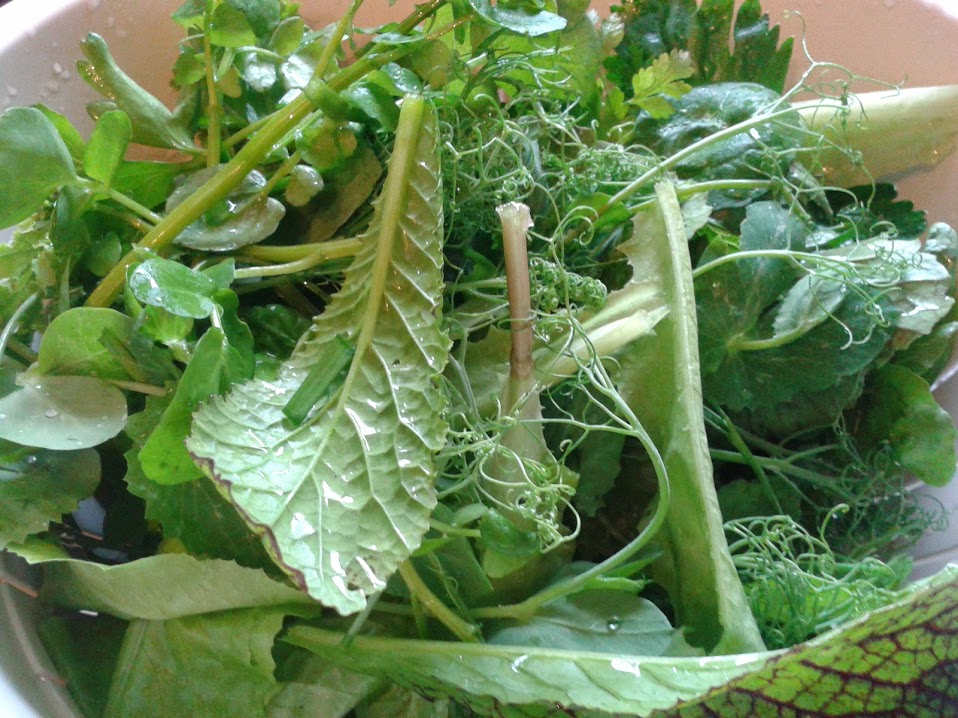
Pam's Super Healthy Sprout Salad
We all know how good for us plant sterols are for us - hence the reason they are plugged as cholesterol fighters. We buy expensive margarines and yoghurt drinks and we work hard at controlling the dreaded cholesterol.
But did you know that plant sterols are found in ordinary everyday foods too?
We need approx 2.5g of these wonder sterols a day (which obviously consuming said margarine, yoghurts etc will aid).

But here's a few (useful) surprises for you!
This is approximate and in mg per 100g fresh produce;

Brown rice - 87
Peas (dried)- 135
Beans (dried) - 127
Almonds - 138
Walnuts - 108
Pistachios - 108
Beetroot - 25
Broccoli - 37
Parsley - 28
Fresh garden peas - 30
Alfalfa sprouts - 20
Apple - 18
Blueberries - 26
Raspberries - 27
Green grapes - 20
Orange - 23
Rice bran oil - 1055
Flax seed oil - 338
Olive oil - 176
Coconut oil - 91

(Source: V Piironen, et al; 'Plant Sterols in vegetables, fruit and berries' Journal of the Science of Food and Agriculture, 2003; 83/4; 330-337)


Soya products are amongst the best sources and just 50 grams of tofu 
gives you your daily target of 2.5g!


Tuesday, 13 May 2014

Microgreens - the ultimate food!

Following on from yesterday's sprouting lesson, today we'll look at microgreens. If you watch programmes like MasterChef you'll have seen them already - they're the lovely little colourful bits that get 'draped' over top dishes to give them the 'wow factor'.
Here's an example of microgreens used on a home grown salad (more on that later!)
The salad before adding microgreens

The same salad after adding microgreens
You can see instantly the wow factor in action! However there is much, MUCH more to microgreens that prettying up a plate of food. They are oh so good for you!
So what exactly is a microgreen?
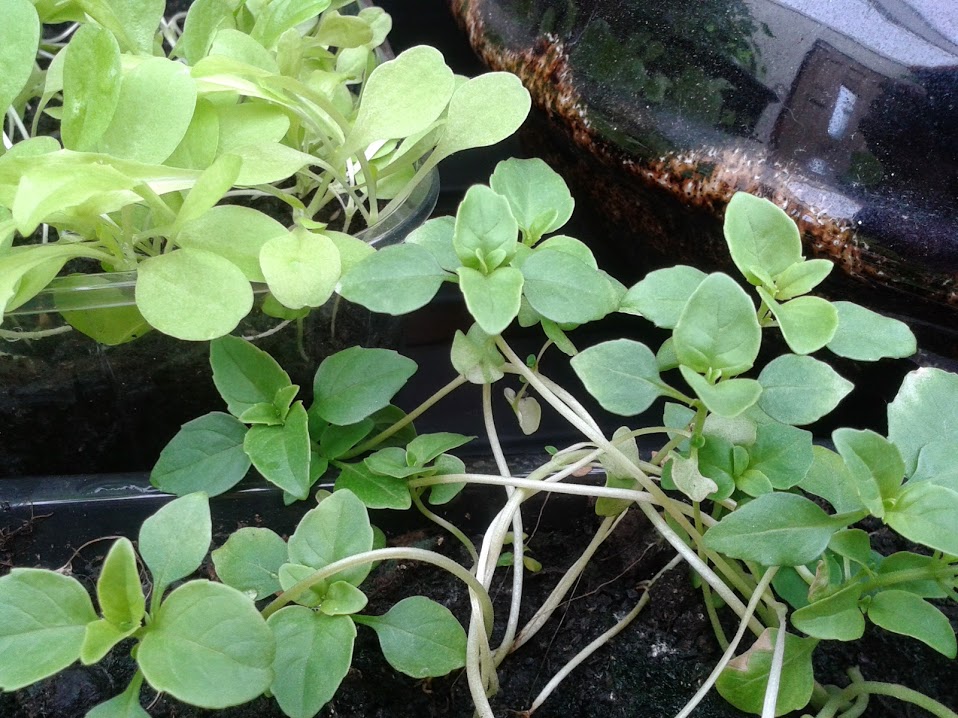
You start with a sprout and you grow it to the next level of its development - you let it grow leaves :-) The leaves contain chlorophyll - liquid sunshine! We all know how good wheatgrass is for us - well part of the reason for that is the chlorophyll.
Some of the best microgreens are; sunflower, beets, radish, broccoli, watercress, cress, rocket, spinach, lettuce, herbs i.e. basil, coriander (cilantro), kale, cabbage (red looks fantastic) carrot tops (you can buy seeds especially for this here; http://www.nickys-nursery.co.uk/garden-shop/seeds/micro-greens/  ) I always grow my alfalfa and clover to micro stage - much better for you and far tastier! Pea shoots are a great example of micros too. They taste like the peas - so why wait? Micros are easier to grow too! Quinoa and Amaranth are great micros too and amaranth comes in a stunning red.
Beans and lentils work as sprouts but they tend to get bitter as they green up so I don't bother.
The biggest tip I can give you is buy organic. Heavens only knows what treated seeds have on them - I never use anything other than organic. If you were growing your carrots to full size there'd be time for any lurking chemicals to leave them but not with microgreens.
So let's look at actually growing them. I use small trays. Now here is recycling at its finest! You know the shallow trays you get mushrooms in etc from the supermarket? Store them - I use the ones that blueberries and strawberries come in too - they've already got drainage - so what's not to like? I wash them and reuse them too.
Just put about 1 cm of good quality ORGANIC compost in the tray and gently firm it down. Sprinkle your seeds on top and gently water. For tiny seeds like alfalfa I water form the bottom (stand the tray in shallow water until the top is dark and moist). For larger seeds like sunflowers I gently water from the top so the seeds are wet. A quick and easy way to do this is sprout the seeds in your jar for a day first then scatter them thinly over the compost. Keep them somewhere not too hot and shaded from sun and watch them sprout!
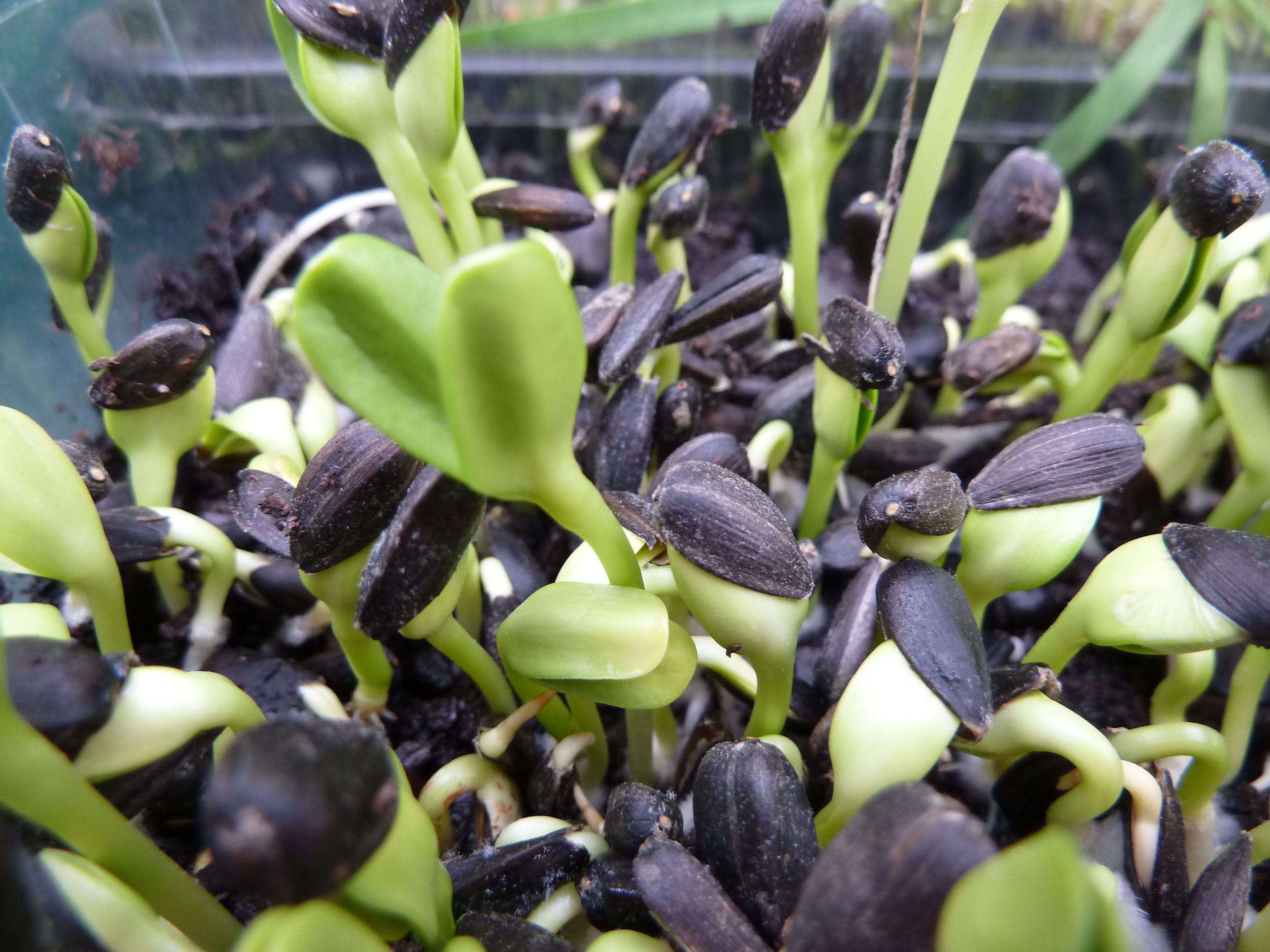
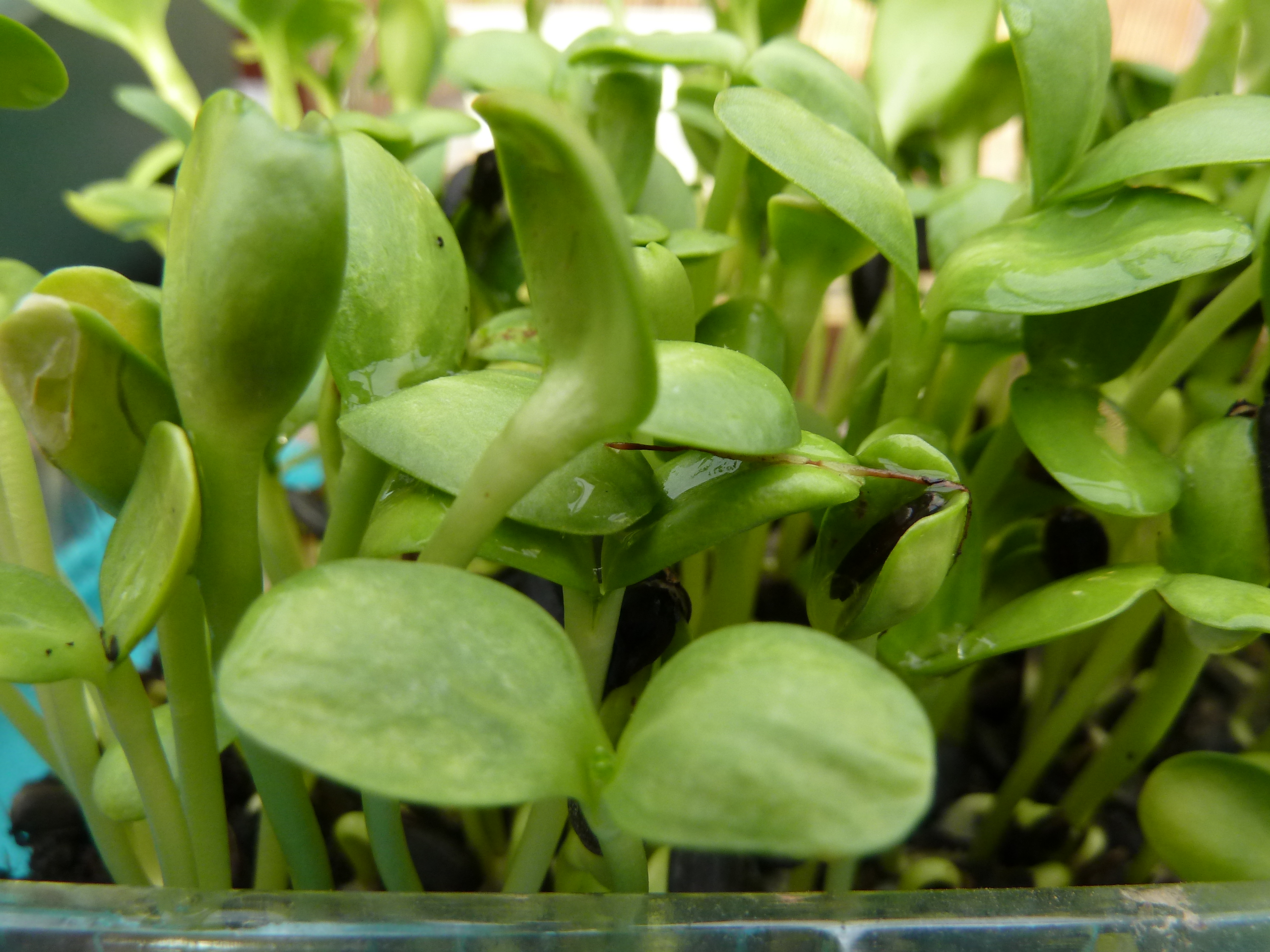
Sunflowers greens just sprouting in organic compost
A few days later....
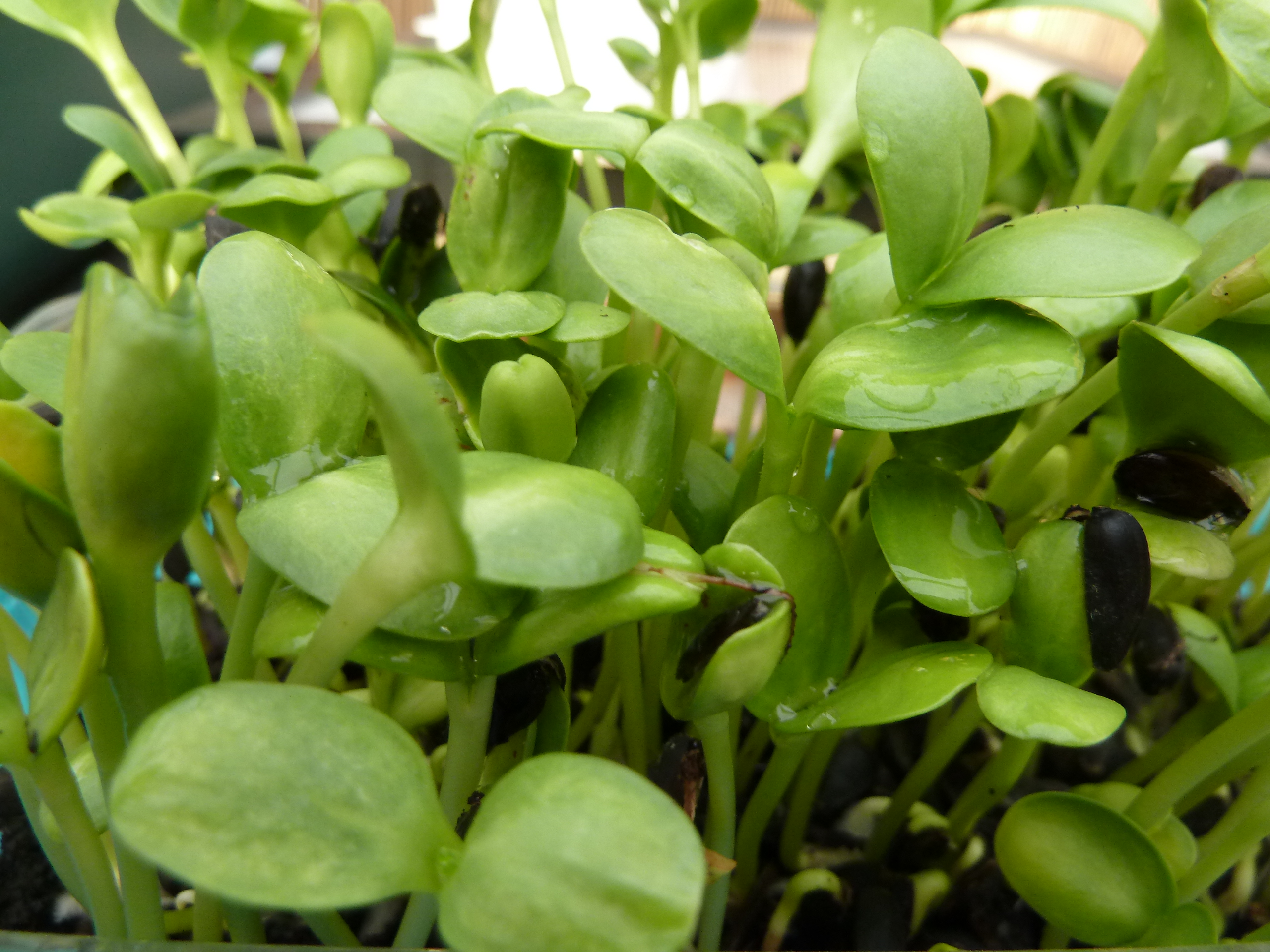
The same batch of sunflower greens ready to eat!
Sunflower greens ready to eat!


Friday, 9 May 2014

Tofu - love it or hate it....?

I used to loathe tofu. No matter what I did with it I just couldn't get on with it at all. Until I read what I was doing wrong! Seems I should have been pressing the water out of it and I wasn't - well, not properly anyway.

Now I love the stuff and can't get enough of it. Take last night for example. I marinated some tofu in Yakitori sauce (available from Tesco for those in the UK) with the intention of cooking it today...........Ha! It never even made the pan (or today, for that matter!) I thought. 'I'll just try a cube uncooked first'. And that was it! History - me and my other half sat and chomped it all washed down with white wine.........made a really nice nibble actually :-)

I have decided, having discovered this book, that I will have a go at making my own. I used to buy a firm tofu with basil in it from a health food shop and even when I was a tofu hater, I could tolerate that one. I've not seen it for years (though confess I haven't looked that hard either).

So now I am a woman on a mission :-) I'll keep you posted! 

This book looks awesome and I'm so looking forward to a new adventure.............

Sprouts and Microgreens

My favourite pastime! I love growing sprouts and micros - let's face it you can't get anything fresher anywhere. You don't even need a garden.

My favourites include;

Beetroot, carrot micros, fenugreek (which has 3 different flavours depending on what stage you use it), alfalfa, clover, red cabbage, sunflower greens, lettuce, spinach, wheat, broccoli (so very good for you!), basil (eat it at any stage and it's yummy!), mung and adzuki beans. 
In fact, there aren't any I don't like!

They are packed with high quality protein which is far more accessible to the human body than the protein derived from flesh products. Did you know that the cells of chlorophyll are only one component different from haemoglobin? Green plant cells have magnesium ion at their nucleus and haemoglobin has iron. They are still not quite sure how it happens but it seems somehow the body can convert or swap the magnesium ion for iron and it creates new haemoglobin cells..........amazing, or what?

Sprouts and micros are also packed with nutrients and vitamins. And the big plus is you can grow them in the kitchen, pick them fresh and gruesome though this may sound - eat them whilst they are still alive!
Beans like mung are lovely to just snack on as they are. Liven up any salad and impress your guests by sprinkling some bright coloured micros on your main course just before you serve. All the top chefs and restaurants do that these days. Here's a few photos to whet your appetite (ha! No pun intended :-) )
Baby basil plants (with lettuce behind)
Beetroot micros
Beetroot micros
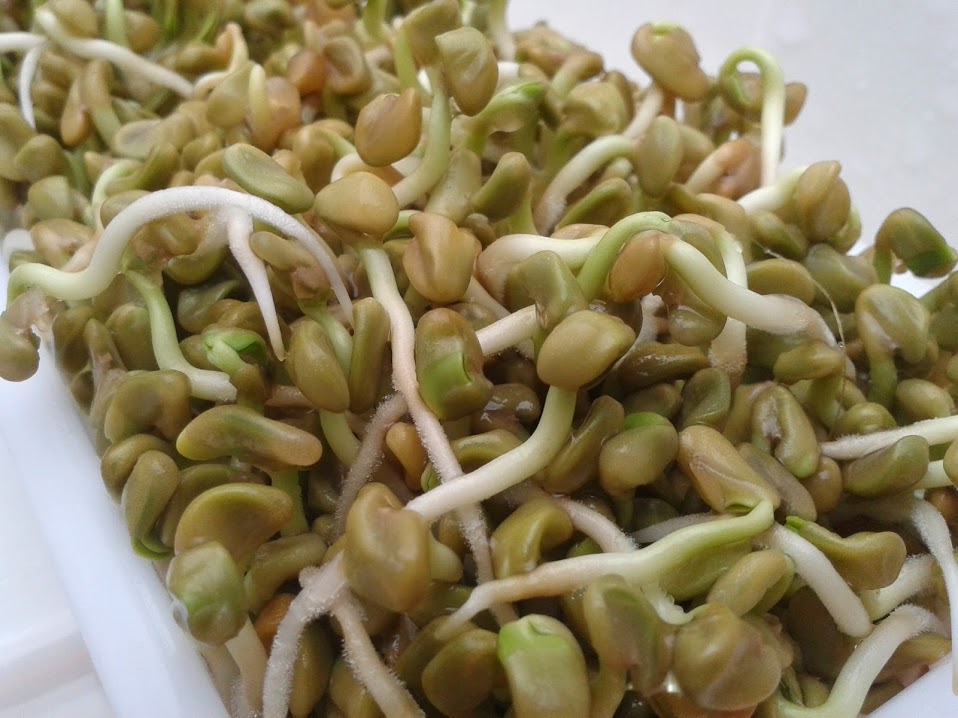
Fenugreek
Fenugreek
Microgreens
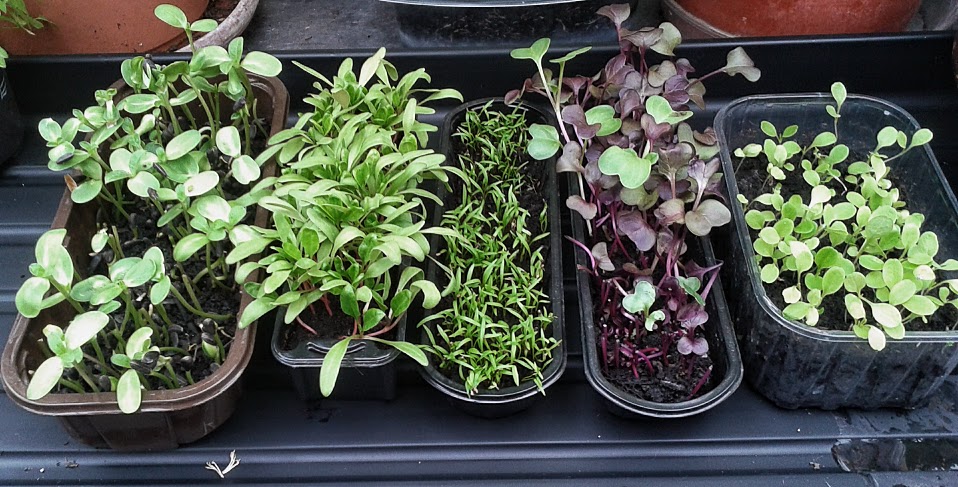
Left to right; sunflowers greens, spinach, carrot, Rambo radish and lettuce
P1050833
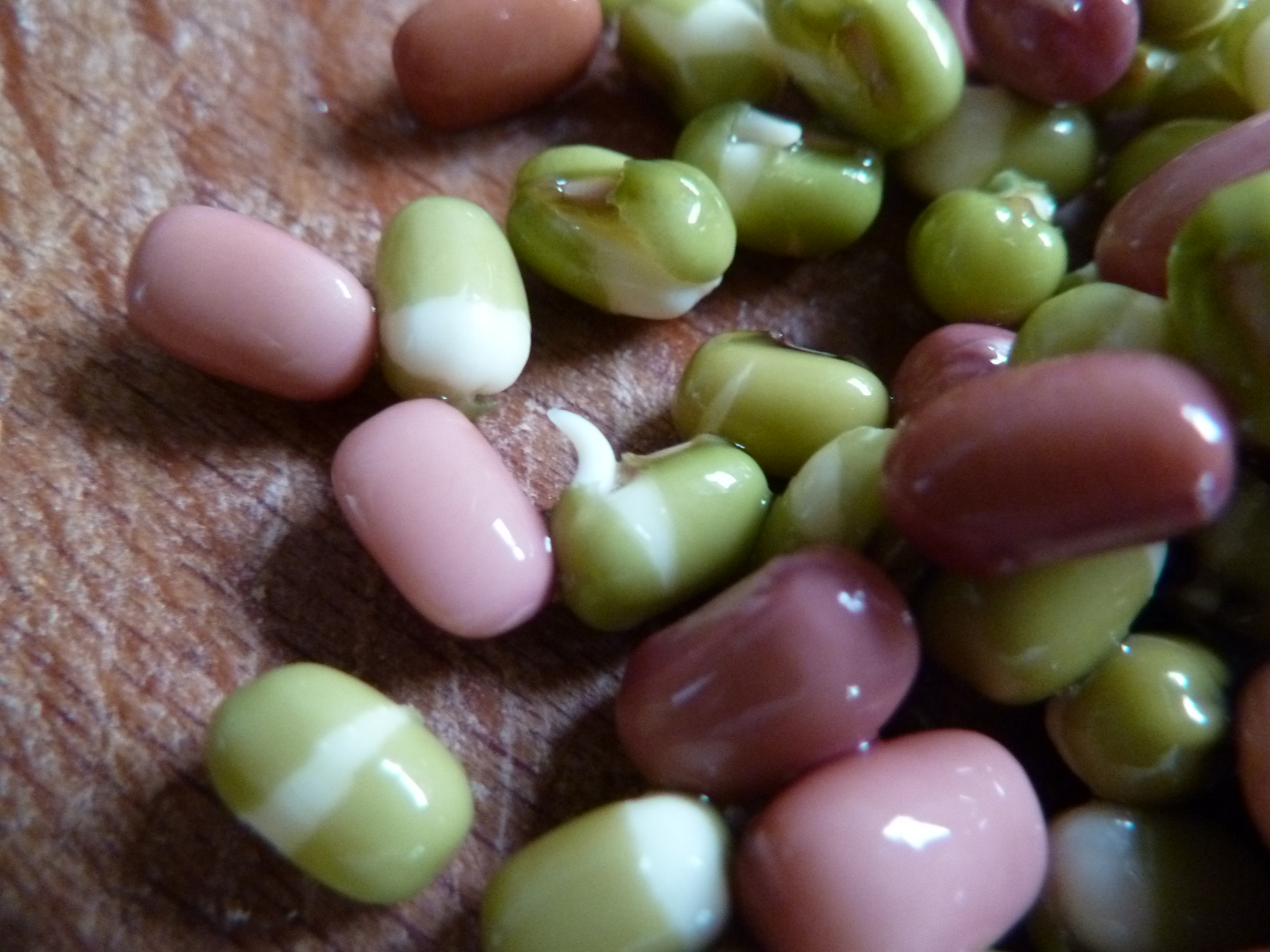
Mung and Adzuki beans - do let them sprout further than this
P1050855
Top one for me - sunflower greens
P1060322
assorted sprouts in my EasyGreen sprouter. Affectionately known as The Farm!
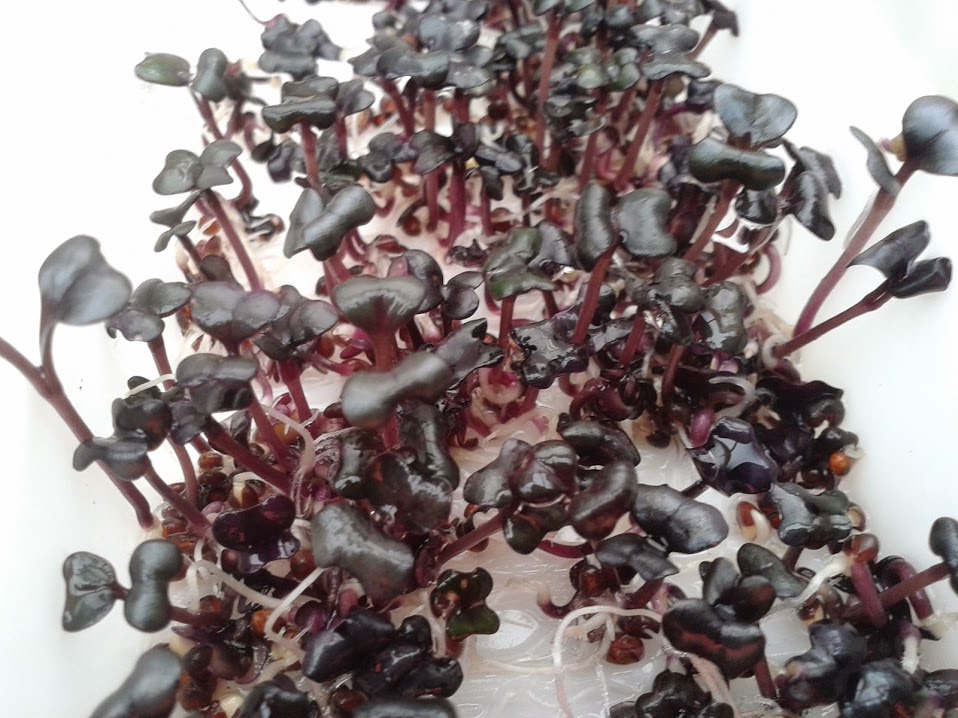
Red cabbage microgreens
Red cabbage sprouts

Friday, 18 October 2013

NUTS!!

Hazelnuts and almonds; soaked overnight.

Well, I said we'd go nuts today and here we are! Most people love nuts of one form or another (except, of course, those who are allergic to them). My personal favourites are almond and walnuts.

I have found the best way to eat them though is to soak them. Technically, this is classed as sprouting only they don't sprout - they swell but still undergo the same metabolic transformation as a 'sprout'. Their vitamins increase and they become much, much more digestible. Have you ever noticed with nuts that you sometimes find your mouth 'tightening' inside (like when you eat cooked spinach or rhubarb?)  That's the tannins in them. Soaking/sprouting them overnight removes most of them and they taste really wonderful and creamy. If you don't believe me, try it - I surprised a friend of mine this morning with soaked almonds.

Almonds can be blended and made into a delicious nut milk and are rich in calcium too. Their protein is also of the alkaline type which is better for our bodies. One of my favourite ways of using them is to convert the 'milk' into almond yoghurt using 'rejuvelac' (and what, I hear you ask is that?)............well, we'll come to that in a short while - if you can't wait - Google it. Be warned though - some sources advocate fermenting the wheat berries for a longer period - don't do it! I tried leaving it longer it once and when I opened the fridge I was overwhelmed by the prevailing smell of cow dung! A gas mask wouldn't have gone amiss either! (I didn't even have the heart to pour it on the compost heap - I was so concerned for the worms.....) Yuk! I won't do that one again in a hurry :-) Incidentally, almond yoghurt is fantastic in curries...........

We'll talk more nuts soon but when I'm back next I have a really astonishing tale about the miracle of avocados - seriously, if I hadn't known the person who told me this - I wouldn't have believed it myself. But I even have a photo of her leg to prove it (oh, boy - I can really hear your brain cells going into overdrive now................)

Have a good weekend - and get sprouting!!

A single renegade nasturtium makes a take-over bid for the garden...